
Sample report
84-74 257 Street · Queens
Eligible96/100
BasementAtticGarageExtension
A verdict in seconds
One verdict per type, with the rule behind every blocker or warning.
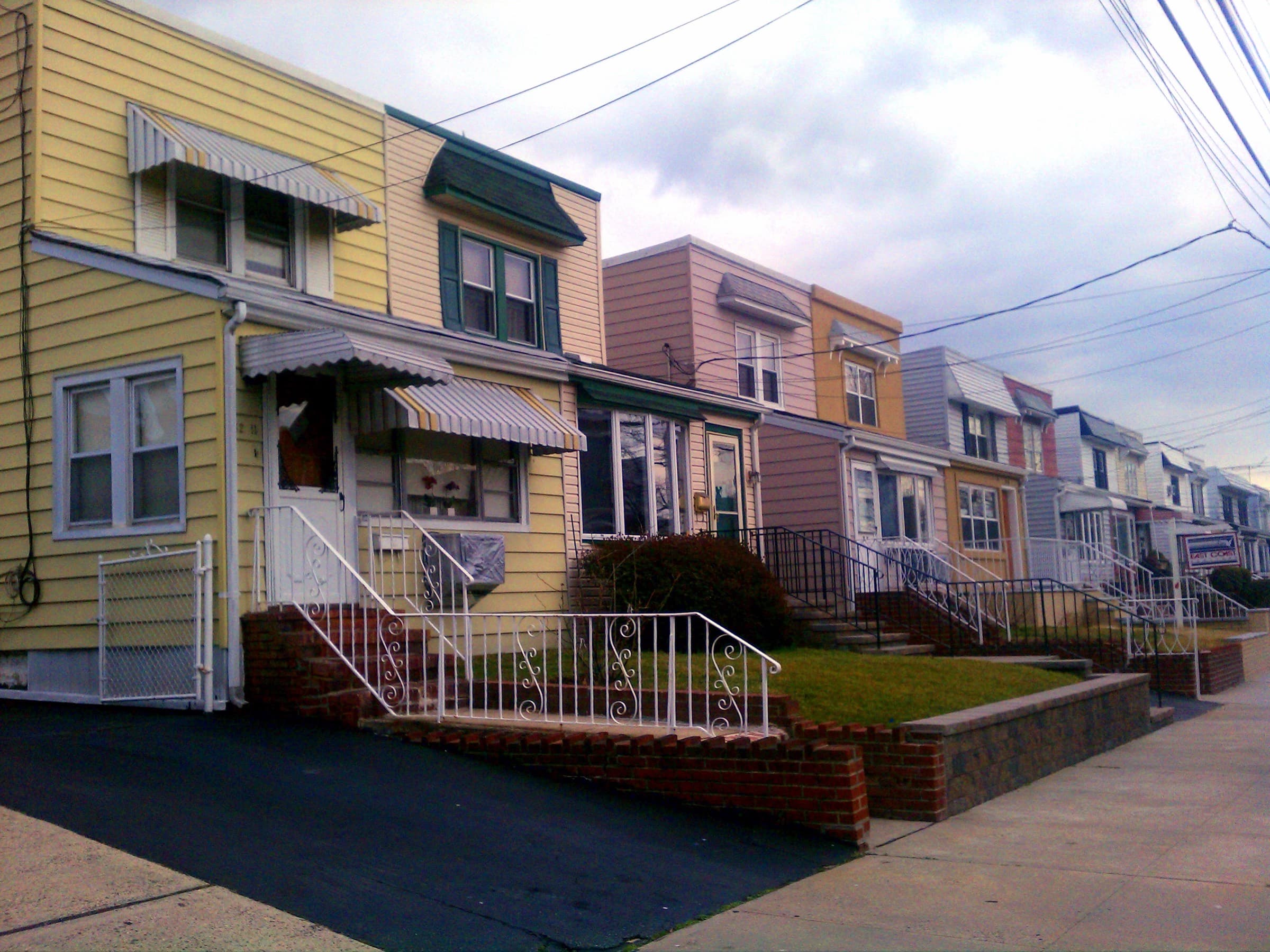
Since 2025 the city allows adding an accessory unit to one- and two-family homes. We check your property against the official records and tell you what can be built.
About LoadBuilt
We cross nine official sources with the current ADU law to tell you what you can build, what stands in the way and what your home could be worth afterwards. No endless forms, no fine print.
What you get
Sample report
84-74 257 Street · Queens
One verdict per type, with the rule behind every blocker or warning.
City complaints, violations and permits, with their dates and status, before you invest a dollar.
800ft²
One ADU per lot. We tell you how many feet actually fit on your property.
What you can build
In the basement
The cheapest route when the basement sits partly above grade. Not allowed in a flood zone.
Under the roof
Uses the attic. It needs seven feet of clear height over half the floor area.
In the garage
It does not count as a backyard building, so it avoids district-level bans.
In the backyard
A detached cottage. Five feet from the property lines and ten from the main house.
The rule allows up to 800 square feet per lot. Each type has its own rules, and the check applies the ones that affect your property.
Free feasibility check
Type your home address. In seconds we check the tax lot record, zoning, the FEMA flood map, the landmarks register and the building’s full record.
Data from NYC Open Data, NYC Planning and FEMA. The five boroughs only.
Frequently asked questions
A separate, accessory dwelling on the same lot as a one- or two-family home: in the basement, under the roof, in the garage or as a cottage in the backyard.
No. The rule applies to one- and two-family homes in residential zoning. Flood zones, historic districts and lot conditions also matter; the check reviews all of them and tells you which one limits you.
Up to 800 square feet, and one ADU per lot. The exact size you get depends on the type and on what your property allows.
Below-grade ADUs (basement and cellar) and backyard ADUs are prohibited in FEMA special flood hazard areas. The attic, garage and extension remain options.
No. It is free and based on public city data. It is preliminary guidance: it does not replace an architect’s opinion or Department of Buildings approval.
Your report is a private link. Your financial file is only shared with a lender when you expressly authorize it, and every submission is logged.
Yes: every project requires the seal of an architect or engineer registered in New York State. We guide you through the process and centralize the paperwork.
An account for every role
Start finding out what your New York home can do.
566,383 one- and two-family homes can look into it. Yours might be one.